

How is white, yellow or rose gold made?

We commonly see yellow gold, but we also know that, in jewelry, there are pieces of the same material in other shades. So, how do you alter the color of gold?
How do you alter the color of gold?
In a previous publication we talked about gold alloying, a process necessary for the manufacture of jewelry pieces that consists of mixing gold with other metals, thus hardening it.
Technically, gold does not change color; However, the alloy with other materials of different colors manages to alter its tone.
Jewelry makers choose one material or another, as appropriate, to achieve the desired color. In addition, the amount of carats (K) of gold used influences the shade of color achieved.
What types of gold colors can you get?
The most commonly known colors in jewelry are yellow gold, rose gold and white gold. To maintain its yellow color , gold is alloyed with a mixture of silver and copper in equal amounts.
On the other hand, rose gold is achieved by alloying the same materials as yellow gold, that is, silver and copper; However, the amount of the second material is much greater, causing that pink color.
As for white gold , the alloy is achieved with white metals, such as palladium, platinum or nickel. The material used will depend on the hardness and exact color you want to achieve.
There are other less known varieties of colors in gold, such as grey, red, green, purple, blue and black , although these are less used.
Find the ideal engagement ring for your partner at your trusted jewelry store in Pamplona, BIJOYA. Also contact us through our telephone number 948 15 00 86 or by our email info@bijoya.com
It may interest you:
Also in Blog


Frederique Constant en Pamplona
Frederique Constant es una firma suiza nacida en Ginebra en 1988, con relojes montados a mano. En Bijoya puedes ver y probarte sus colecciones en cuarzo y automático, con grabado personalizado y asesoramiento en tienda o a distancia.


Diamantes de laboratorio
Descubre qué son los diamantes de laboratorio, su historia, cómo se crean, cómo se determina su calidad y cómo se identifican. Todo lo que necesitas saber sobre el diamante creado.
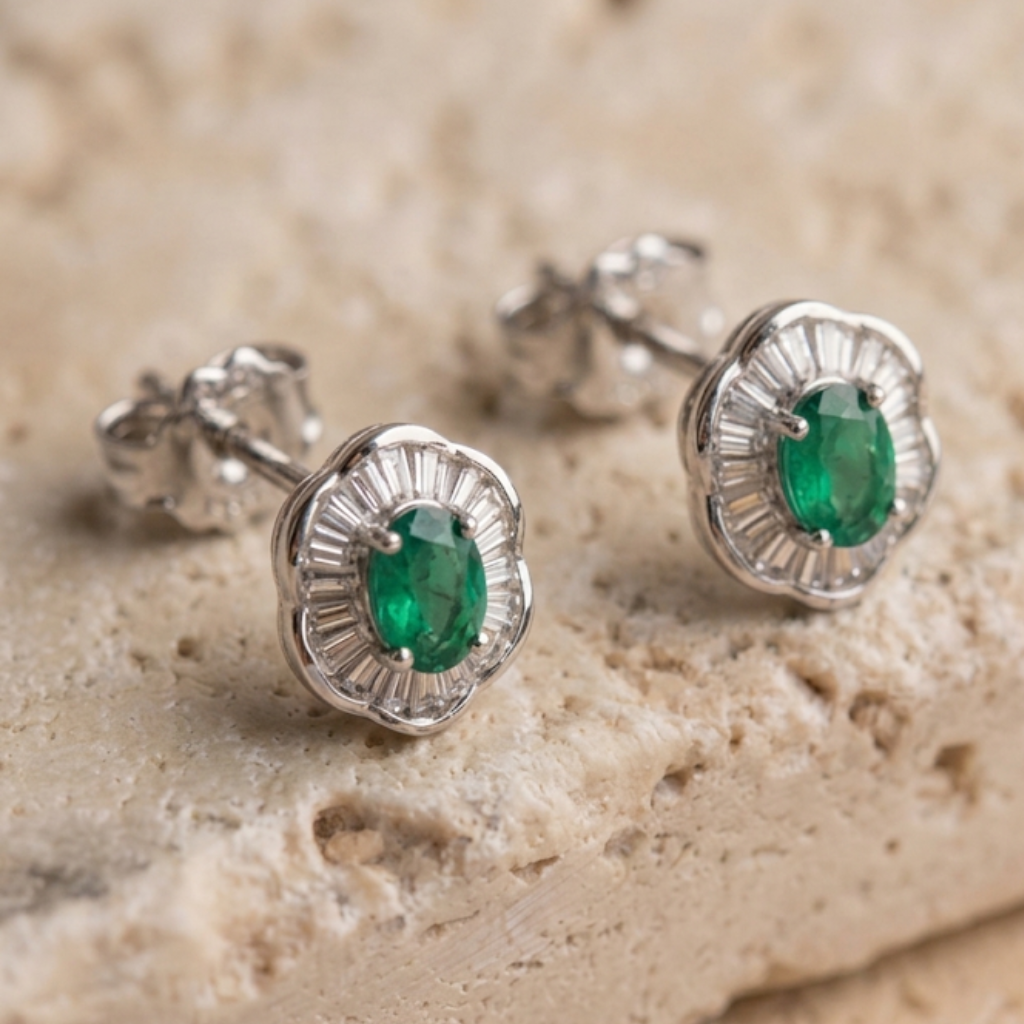

Pendientes de novia de esmeralda
Los pendientes con esmeralda son la elección de la novia clásica: un verde profundo y luminoso que ha vestido a la realeza durante generaciones. Son ideales si llevas el pelo recogido, ya que se convierten en la pieza más visible durante toda la ceremonia. Para que brillen al máximo, elige diseños con halo de diamantes, móntalos en oro amarillo o rosa, y evita sumar más color en el resto de tus joyas.